Worldbuilding Checklist
A printable worldbuilding checklist for rules, exceptions, daily life, conflict pressure, and story relevance.
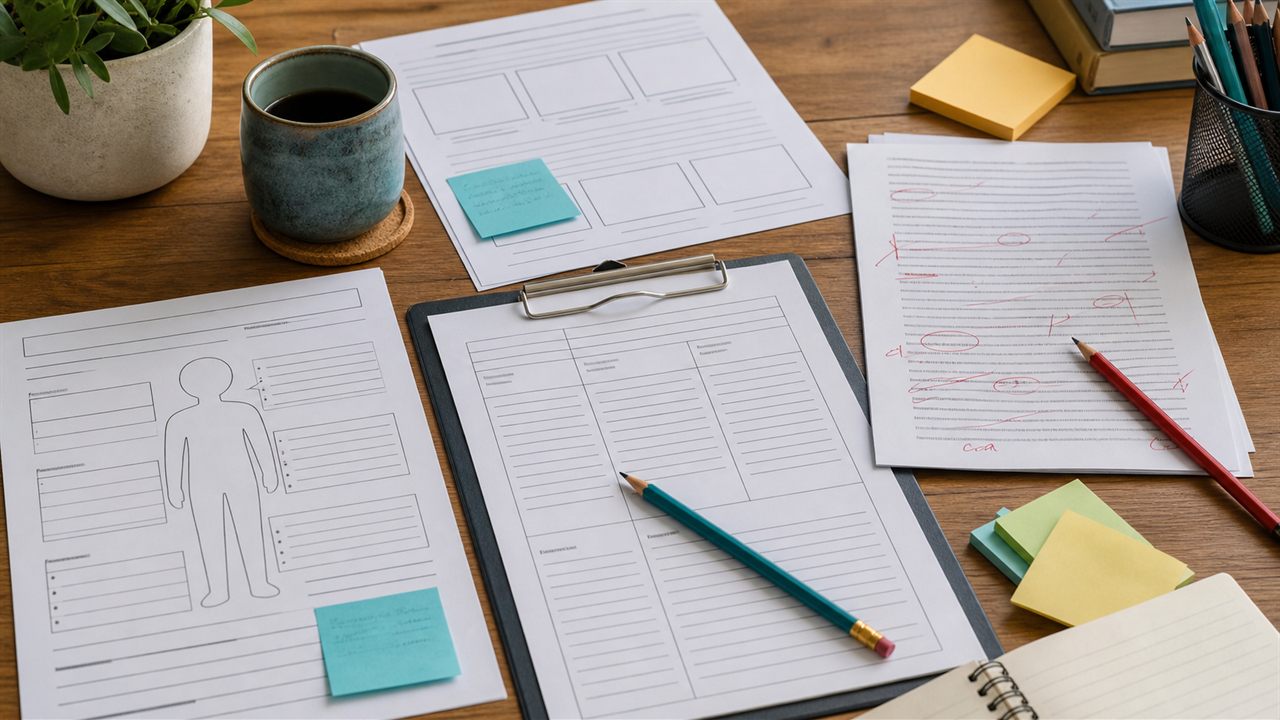
Use this checklist after brainstorming a setting. A strong world does not need endless facts; it needs rules that shape choices, conflict, and consequences.
If the setting problem comes from old wars, public memory, family history, or disputed records, use the worldbuilding timeline worksheet before filling in more facts. It keeps fictional history tied to present pressure.
If the setting problem is magic that solves too much too easily, use magic cost ideas to choose a price that changes a choice, relationship, deadline, or public rule.
If the setting facts are useful but the prose still reads like notes, move next to setting description exercises and turn one rule, object, route, or sensory detail into scene action.
Core rules
What rule does almost everyone in this world accept as normal?
Who benefits from that rule?
Who is harmed, excluded, or limited by it?
What exception makes the rule more interesting?
What happens when someone breaks the rule publicly?
Daily life test
What does an ordinary person worry about before breakfast?
What job, trade, or skill matters more here than in our world?
What object would a local carry that an outsider might not understand?
What phrase, ritual, or habit reveals local values?
What common inconvenience can become a scene obstacle?
Public systems
Use this section for institutions that shape the story world without turning the page into an encyclopedia entry.
Who records births, deaths, debts, oaths, or citizenship?
What service does everyone rely on but complain about?
What law is enforced unevenly?
What public celebration reveals power, class, or fear?
Where would a desperate person go first for help?
Story pressure
Which setting rule blocks the protagonist's goal?
Which resource is scarce enough to cause conflict?
Which authority can make the problem worse?
Which hidden cost should appear before the ending?
What changes in the world because of the story's final choice?
Reader orientation
What does the reader need to understand in the first scene?
Which world detail can wait until it creates a problem?
What local term needs context through action rather than definition?
What repeated object, phrase, or rule can help the reader feel grounded?
Which detail is interesting to you but unnecessary for this story?
Keep or cut
For each setting detail, ask: does it change a choice, a risk, a relationship, a deadline, or a reader expectation? If it does none of those, save it for a later draft note instead of forcing it onto the page.