Magic System Questions for Fantasy Writers
Magic system questions that help writers define cost, limits, access, culture, conflict, and story consequences.
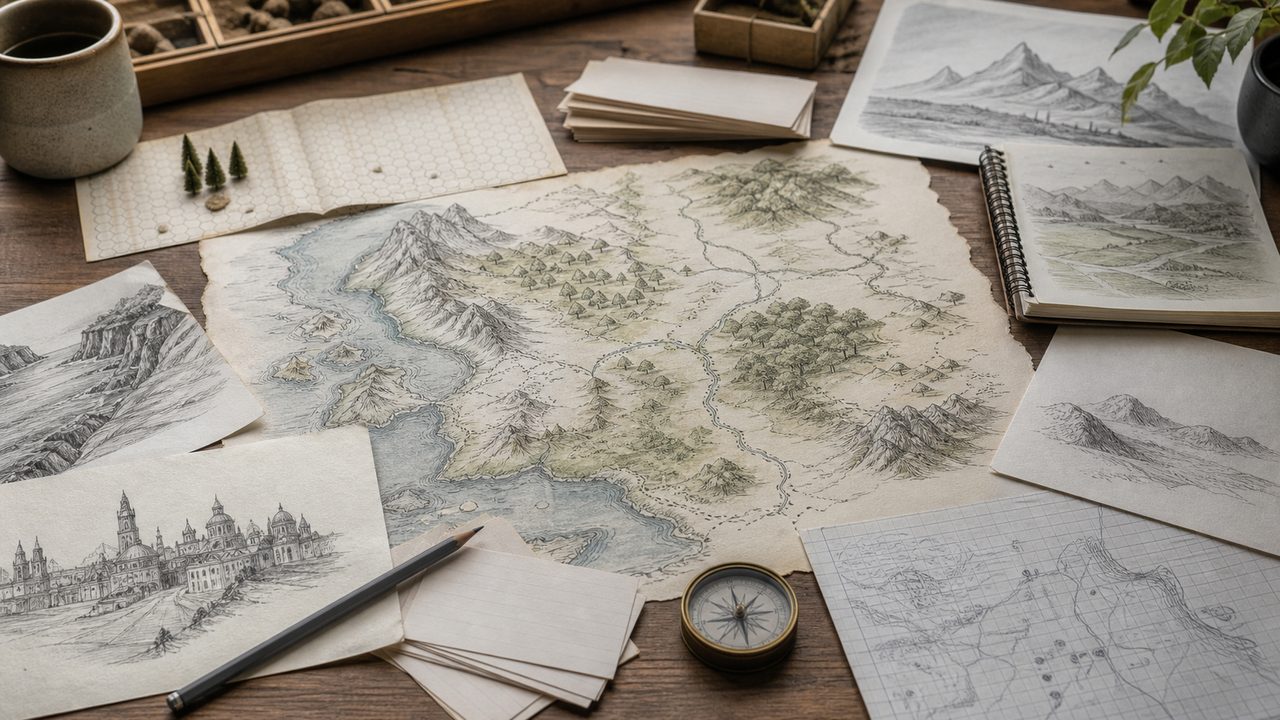
Use these questions to design magic that creates story pressure instead of solving every problem.
If the rules already exist but every spell still feels too convenient, choose a focused price from magic cost ideas before expanding the system.
If you are still early in planning, answer one question from each section first. Then carry the strongest answer into the worldbuilding checklist or a scene-level pass with setting description exercises so the system appears through choices, places, and consequences instead of explanation blocks.
Cost and limits
- What does magic consume: time, health, memory, materials, trust, reputation, or attention?
- What can magic never do?
- What happens when a spell is interrupted?
- Who records magical failures?
- What cost appears immediately, and what cost appears later?
- Which cost can rich, powerful, or well-connected people avoid?
- What useful magic is considered too embarrassing, low-status, or risky to practice openly?
Access and power
- Who is allowed to learn magic?
- Who is punished for using it without permission?
- What job exists only because magic is unreliable?
- What common belief about magic is wrong?
- Who certifies practitioners, and who distrusts that certification?
- What community depends on magic but resents the people who provide it?
- What law was written after a magical disaster nobody wants to discuss?
Everyday consequences
- How does magic change cooking, medicine, farming, building, travel, or records?
- What household object exists because magic fails in predictable ways?
- What slang, superstition, or etiquette has grown around magical mistakes?
- What does a child learn about magic before they learn the official explanation?
- Which ordinary person understands the system better than the experts because they handle its cleanup?
History and public memory
Magic should have a past. Use these questions with the worldbuilding timeline worksheet if the system feels detached from the culture.
- What magical event changed a law, border, holiday, school, guild, or family tradition?
- Which disaster is taught as a lesson, and which detail is always left out?
- What old magical promise still binds people who were not alive when it was made?
- Which public monument, ruined place, or forbidden route proves that the system has consequences?
- What does one generation call a miracle while another calls it exploitation?
Conflict prompts
- A spell can save the protagonist’s home only if someone else loses a memory they need.
- The legal way to perform magic is too slow for the crisis, but the illegal way leaves evidence.
- A character discovers that the safest magical limit was invented to protect one powerful family.
- A village tradition prevents a magical accident, but outsiders mistake it for superstition.
Balance checks
Use these questions when magic starts solving too many problems:
- What information does magic fail to provide?
- What emotional cost remains even after the spell works?
- Who can exploit the magic’s rule better than the protagonist can?
- What does society build to prevent casual misuse?
- What problem becomes worse because magic exists?
- What ordinary skill still matters more than magical talent?
If magic removes an obstacle, it should reveal a harder one: political, relational, ethical, physical, or personal.
Scene applications
- In a healing scene, focus on triage, consent, materials, and who gets treated first.
- In a travel scene, define what the shortcut cannot carry, who controls access, and what trace it leaves.
- In a duel scene, make preparation, terrain, witnesses, and exhaustion matter as much as raw power.
- In an investigation scene, decide what magic can sense and what it misreads.
- In a school or guild scene, show how rules protect some students and expose others.
Story test
Write one scene where magic makes the character’s goal possible and one scene where the same rule makes the goal harder. If both scenes can happen in any generic room, revise the place with setting description exercises until the room, weather, materials, or public rules change what the character can safely do.